

etched privacy glass
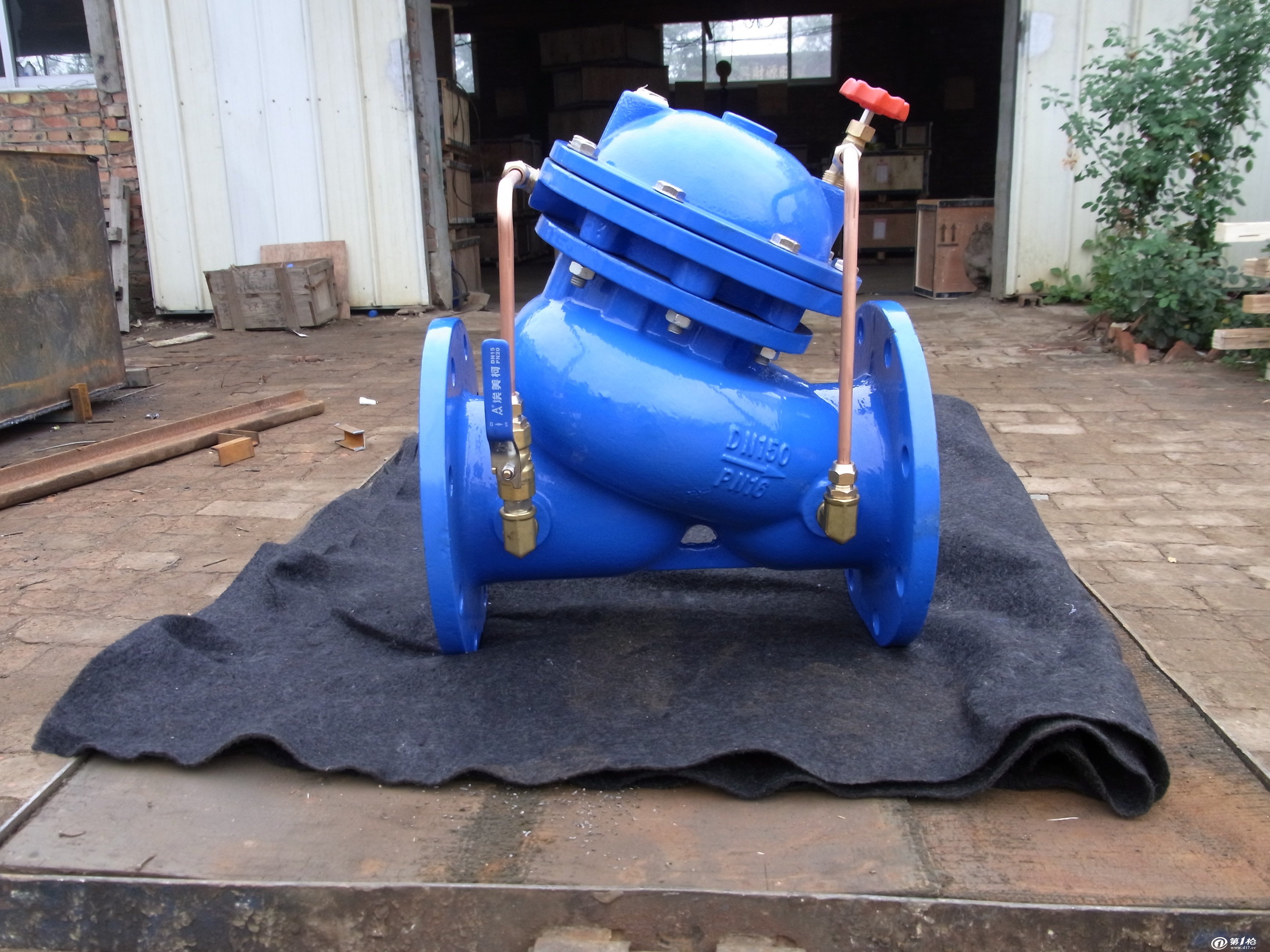
Understanding the Importance of the Main Valve in Water Systems Water is an essential resource that sustains life, supports agriculture, and facilitates industrial processes. Within the expansive network of water distribution systems, the main valve plays a critical role in managing water flow and ensuring system functionality. In this article, we will delve into the significance of the main valve, its components, functionalities, and maintenance practices, shedding light on why this seemingly unassuming piece of equipment is vital for both residential and commercial water systems. The Role of the Main Valve The main valve, often referred to as the shut-off valve or control valve, is typically positioned at the point where water enters a building or facility. Its primary function is to control the flow of water within the system. By regulating this flow, the main valve can help maintain optimal pressure levels, manage water distribution, and prevent potential leaks. In the event of a plumbing emergency, the main valve allows users to swiftly cut off the water supply, minimizing damage and facilitating repair efforts. Types of Main Valves Several types of main valves are utilized in water systems, each designed for specific applications and functionalities . The most common types include 1. Gate Valves Often used for on/off control, gate valves operate by lifting a gate out of the flow path. They are generally not suitable for throttling flow but are an excellent choice for applications that require a straightforward shut-off. 2. Ball Valves Known for their durability and reliability, ball valves control water flow with a hollow, perforated ball. They provide quick shut-off capabilities and are less prone to leakage, making them ideal for high-pressure systems. 3. Globe Valves Globe valves are designed for precise throttling and flow regulation. They feature a spherical body that directs water flow, allowing for more controlled adjustments, which is beneficial in situations requiring fine-tuning of water pressure. main valve water 4. Butterfly Valves These valves utilize a rotating disc for flow control and are typically used in larger industrial applications. Their compact design allows for quick operation, making them suitable for systems requiring rapid flow adjustments. The Importance of Maintenance Like any mechanical system, the main valve requires regular maintenance to ensure optimal performance and longevity. Neglecting maintenance can lead to valve failure, which may result in costly repairs, water waste, and potential property damage. Key maintenance practices include - Regular Inspections Periodic checks can help identify signs of wear, corrosion, or leakage early on. Homeowners and facility managers should inspect visible components of the valve and surrounding pipework. - Cleaning and Lubrication Debris and sediment buildup can hinder the valve’s operation. Cleaning the valve and applying appropriate lubricants to moving parts can enhance functionality. - Testing Automated systems can benefit from routine testing to ensure that the valves respond correctly to control signals and maintain desired pressure levels. - Replacement If a valve shows signs of significant wear or failure, it’s important to replace it promptly to avoid disruptions in water service. Conclusion Understanding the vital role of the main valve in water systems emphasizes its importance in our daily lives. Whether in residential settings or industrial applications, maintaining the efficiency and reliability of main valves can greatly impact water management. With a commitment to regular inspection and maintenance, users can ensure that their water systems operate smoothly and efficiently, safeguarding this precious resource for future generations. Investing time and resources into proper valve care is not just a matter of functionality; it is a step towards sustainability and responsible water usage.
about
etched privacy glass
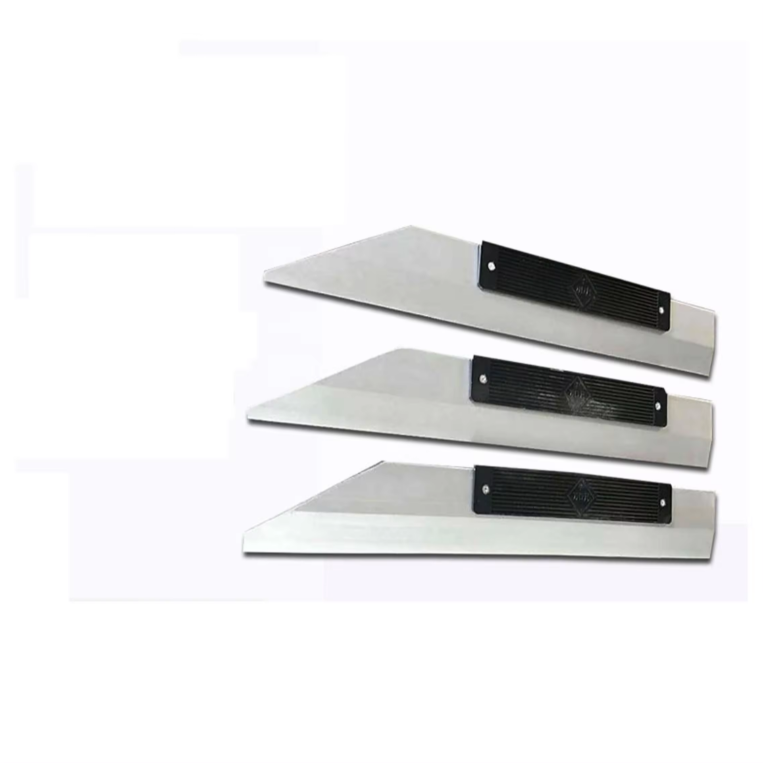
Understanding the Snap Gauge Set A Precision Tool for Accurate Measurements In the realm of manufacturing and engineering, precision is paramount. One tool that plays a critical role in achieving that precision is the snap gauge set. This set of measuring instruments is designed to provide accurate and reliable dimensional measurements, especially in the evaluation of cylindrical and flat surfaces. In this article, we will delve into the characteristics, applications, and advantages of snap gauges, as well as their significance in various industries. What is a Snap Gauge Set? A snap gauge set consists of a series of gauges used to measure the external dimensions of an object. Unlike traditional calipers, snap gauges offer a more straightforward and faster way of determining if parts meet specified tolerances. Typically composed of two parts — the body and the measuring anvils or heads — a snap gauge is designed to snap onto a workpiece, hence the name. The operator simply places the workpiece between the anvils, and if the part fits within the specified limits, it is deemed acceptable. Snap gauges come in various types, including fixed and adjustable gauges. Fixed snap gauges are set to a specific dimension and can be used to check parts against this dimension. Adjustable snap gauges allow operators to modify the dimension as needed, making them versatile tools in a dynamic production environment. Applications of Snap Gauge Sets Snap gauge sets are widely used in a variety of industries, including automotive, aerospace, electronics, and metalworking. They are especially prevalent in contexts where parts must adhere to strict quality control measures. Here are some notable applications 1. Quality Control In manufacturing, maintaining quality is essential. Snap gauges are commonly employed in quality control processes to ensure that produced parts conform to design specifications. By providing quick feedback on dimensional accuracy, they help prevent defective parts from entering the supply chain. 2. Engine Components Given the stringent tolerances required in engine manufacturing, snap gauges are utilized to measure components like pistons, cylinders, and gears. These measurements are critical to ensure that all parts fit together flawlessly, which is essential for optimal engine performance. snap gauge set 3. Aerospace Parts In the aerospace industry, snap gauges are invaluable for measuring critical components such as turbine blades and fuselage sections. The high standards for safety and performance demand that all parts be manufactured to exact specifications, making snap gauges a vital tool in this sector. 4. Electronics Manufacturing In the production of electronic components, snap gauges assist in ensuring that parts like connectors, capacitors, and resistors are produced to the correct dimensions, which can significantly affect overall functionality and reliability. Advantages of Using Snap Gauge Sets One of the primary advantages of snap gauge sets is their speed and efficiency. They are relatively easy to use, allowing operators to conduct measurements quickly without the need for extensive training. Snap gauges also provide immediate, unambiguous feedback, making it simpler to identify whether a part meets the required specifications. Moreover, because snap gauges are designed for specific dimensions, they help eliminate human error associated with manual measurements. This can enhance overall productivity by reducing the need for rework and lowering the risk of quality issues later in the production process. Lastly, snap gauges are built to withstand the rigors of industrial environments. They are made from durable materials that provide long-lasting performance, ensuring that manufacturers can depend on them for accurate measurements for years. Conclusion In conclusion, snap gauge sets are essential tools in the manufacturing and engineering industries. Their ability to provide quick, accurate measurements makes them indispensable in quality control processes and various applications where precision is crucial. As industries continue to evolve and demand higher standards in manufacturing, the role of snap gauges will undoubtedly remain significant. By facilitating the accurate measurement of parts, snap gauge sets contribute not only to efficiency and productivity but also to the overall success of manufacturing operations.
-

High quality industrial productsagement

High quality industrial products
View Details -

Meet the diverse needs of customers

Meet the diverse needs of customers
View Details -

Strict quality control

Strict quality control
View Details -

Top raw materials

Top raw materials
View Details -

Trusted supplier

Trusted supplier
View Details
Our application

news and information

Versatile Ground Anchors for Enhanced Stability and Adaptability in Various Applications
The Versatility and Importance of Adjustable Ground Anchors Ground anchors have long been an essenti
v block design
Exploring the V-Block Design A Revolutionary Approach in Architecture In the ever-evolving landscape
vibration pad material
Understanding Vibration Pad Materials A Comprehensive Overview In a world that increasingly relies o
 English